Hosting a Relaxed Family Dinner: A Simple Guide
A family dinner doesn’t need a special occasion or a spotless house. A familiar meal, a comfortable place to sit, and enough time to catch up can make an ordinary evening feel welcoming.
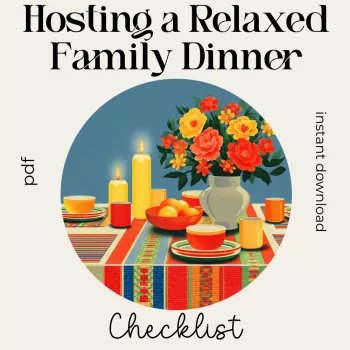
When you have a few decisions to make, a simple plan can help you focus on the people around your table. Our Hosting a Relaxed Family Dinner digital guide is a resource for organizing a family gathering and keeping entertaining approachable.
Start With a Dinner That Fits Your Evening
Begin with the time and space you have. A small group around the kitchen table may be just right for a weeknight, while a weekend gives you more flexibility for a longer visit. Choose a start time that works for your household and gives guests a realistic chance to arrive without rushing.
Before settling on the menu, ask about allergies, dietary needs, and any foods guests avoid. You can keep the question casual: “Is there anything I should plan around for dinner?” Knowing early gives you time to choose dishes everyone can enjoy, rather than making last-minute substitutions.
Then decide what matters most about the evening. Perhaps you want relatives to reconnect, celebrate a birthday, or simply share a meal. Let that purpose guide your choices. A warm welcome is more important than matching dishes or a complicated menu.
Make a Simple Hosting Timeline
A short timeline can keep the essentials from piling up just before dinner. Use the one below as a starting point and adjust it to fit your schedule. If you’re inviting people on short notice, you can combine several steps or choose an even simpler meal.
| When | What to do |
|---|---|
| A few days before | Confirm guests and dietary needs; choose a menu. |
| The day before | Shop, tidy shared spaces, and prepare anything that keeps well. |
| Dinner day | Set the table, finish cooking, and leave a little time to settle in. |
| After dinner | Pack leftovers promptly and save nonessential cleanup for later. |
Focus your tidying on the areas guests will use: the entryway, bathroom, and dining space. Clear enough room for coats and bags, put out clean hand towels, and make sure there are seats for everyone. You don’t need to reorganize the whole house.
For make-ahead dishes and leftovers, follow safe storage and cooking guidance. The FoodSafety.gov food safety charts offer practical reference information for temperatures and storage times.
Keep the Menu and Atmosphere Comfortable
Build dinner around one familiar main dish, such as baked chicken, a bean chili, or a pasta bake. Add an easy side like a green salad or roasted vegetables, then finish with fruit, cookies, or a dessert from a local bakery. Choose a combination that works for your guests’ dietary needs and feels manageable in your kitchen.
If you enjoy cooking, make the main dish from scratch and simplify everything else. If the day is busy, a ready-made main with a fresh side can be just as welcoming. Write a short shopping list after choosing the menu, and look through your pantry before heading to the store.
You can also invite someone to bring a dish. A specific request, such as “Would you bring a salad?” makes it easier for a guest to help and prevents you from ending up with several desserts and no side. Ask about ingredients when needed so guests with dietary restrictions can make informed choices.
For the setting, arrange comfortable seating and leave a clear spot where people can serve themselves. Soft lighting, a clean table, and water within reach are enough to create a cozy atmosphere. If space is tight, serve food from a counter and keep the table free for plates and conversation.
Use a Digital Guide to Organize Your Gathering
Our Hosting a Relaxed Family Dinner digital guide is a hosting eBook and family gathering planning resource for easy entertaining. Its checklist and planner focus pairs naturally with decisions like confirming guests, choosing a menu, and deciding what to prepare ahead.
The digital download is listed at $2.99 USD; visit the product page for purchase details. You can use the practical steps above on their own, or explore the guide as another way to approach your next gathering.
If keeping household costs in view is also part of your planning, our Mastering Your $100K Salary digital budgeting guide is a separate resource for broader budgeting and saving. It isn’t necessary for hosting dinner, but it may be useful if you’re working on a larger financial plan.
Make Room to Enjoy the Evening
Try to finish the essential preparations before guests arrive: set out serving utensils, put drinks where people can find them, and make sure the food is on track. Leave a few minutes to change clothes, sit down, or simply take a breath.
Once everyone arrives, accept help if you’d welcome it. Someone can fill water glasses, carry a dish to the table, or pack leftovers after the meal. Keep conversation flexible, too; there’s no need to schedule every moment or hurry people from dinner to dessert.
FAQ
How can I host a family dinner without feeling overwhelmed?
Keep the guest list and menu manageable, prepare what you can ahead of time, and let guests help. Focus on the essentials rather than trying to make everything perfect.
What is Hosting a Relaxed Family Dinner?
It is a digital hosting eBook and family gathering planning resource for easy entertaining. Visit the product page for purchase details.
How far ahead should I plan a family dinner?
A few days can be enough for a simple gathering. Allow more time when you need to coordinate schedules or accommodate dietary needs.











Leave a comment