Smarter Dog Wellness Checks: AI and Everyday Care
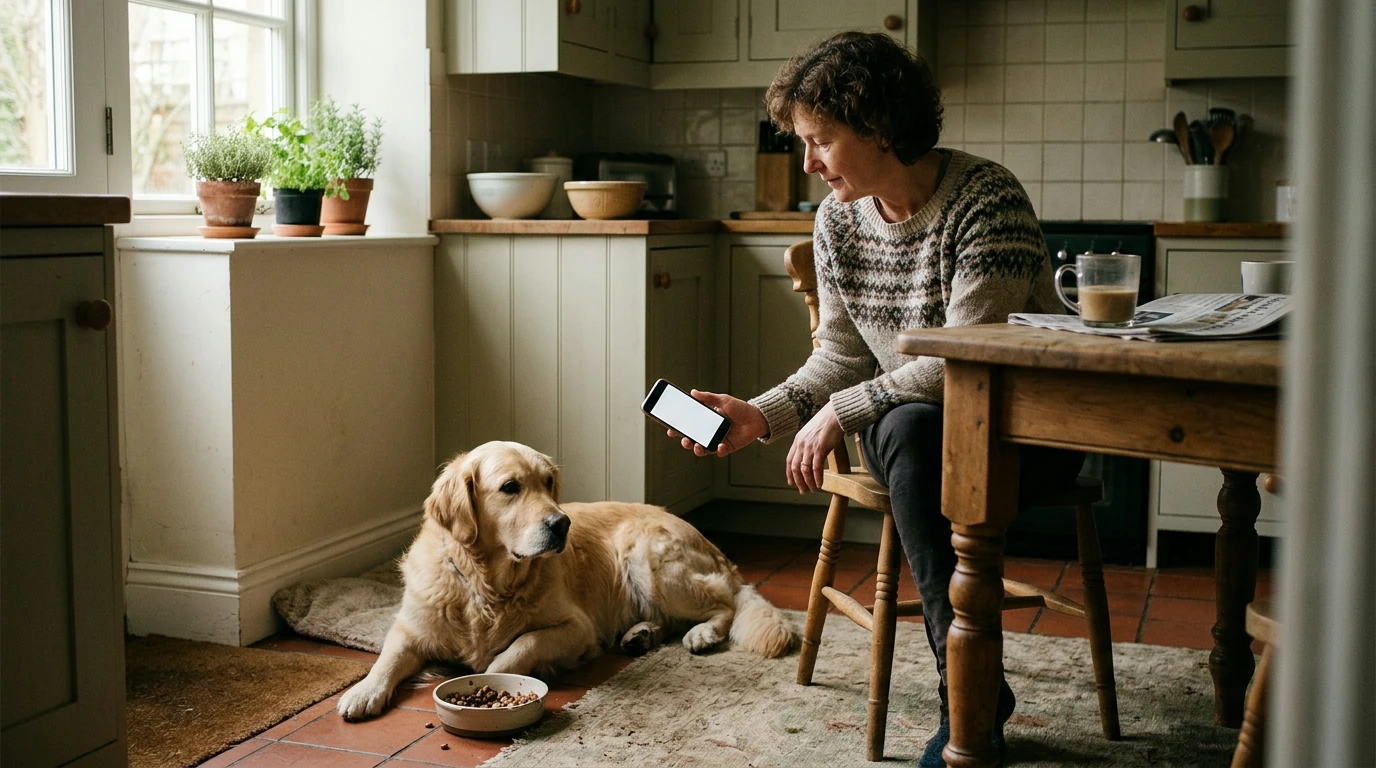
Everyday care starts with knowing your dog. Small changes in appetite, movement, or behavior can be easy to miss, but a simple routine can help you notice patterns and share useful details with your veterinarian. For more guidance, see AI-in-Health-Care-PREPUB-FINAL.pdf.
Our Smarter Checks for Healthier Dogs ebook is a practical starting point if you’re curious about AI-assisted wellness checks and modern pet care. Digital tools may help you organize observations, but they cannot replace veterinary care. When something concerns you, your veterinarian is the right person to call. For further reading, see Blog – Guide Dog Users, Inc. (GDUI).
Why Everyday Checks Matter
You see your dog in familiar situations every day: at meals, on walks, and while resting. That perspective can help you spot a change before you have a name for it. Perhaps your dog is leaving food in the bowl, moving more slowly on stairs, or avoiding a favorite activity. Those details give your veterinary team a clearer picture of what has changed.
Start by learning what is normal for your individual dog. Appetite, energy, coat condition, and bathroom habits vary with age, routine, and health history. Rather than comparing your dog with a general standard, notice their usual patterns and pay attention when those patterns shift.
A short note can be more useful than trying to remember everything later. Record when a change began, how often it occurs, and whether it is getting better or worse. If appropriate, a photo or short video may help your vet see a sign that does not appear during an appointment.
What an AI Dog Health Scan Can and Cannot Do
An AI dog health scan is a digital tool that may analyze information you provide. Depending on the tool, that information could include written observations or other details about your dog. Its output may help you organize questions or identify observations to discuss with your vet.
An AI result is not a diagnosis. It cannot replace a veterinary examination, testing, or treatment. A reassuring result does not rule out a problem, and an alarming result does not establish that your dog has a particular condition. Use it as a way to support your observations, not as a reason to postpone care.
Before sharing information, review the tool’s privacy practices. Consider what personal details or pet records it collects, how they may be used, and whether you are comfortable providing them. You can still keep a useful wellness record without using an app.
A Simple Dog Wellness Checklist
Check in with your dog regularly during ordinary routines. You do not need to turn every meal or walk into a formal exam; consistency and attention to changes are what matter. Use the table below to guide the notes you share with your vet.
| Area | What to notice | When to seek advice |
|---|---|---|
| Eating and drinking | Changes in appetite or water intake | Contact your vet about a noticeable or persistent change. |
| Movement and energy | Limping, stiffness, or unusual tiredness | Contact your vet if movement or activity changes. |
| Skin and coat | New itching, redness, or hair loss | Ask your vet about new or persistent signs. |
| Bathroom habits | Changes in frequency, stool, or urination | Contact your vet about unusual changes; seek urgent help if your dog cannot urinate. |
Include the date and a brief description when you notice something different. For example, “hesitated on stairs this morning” gives your vet more context than “seems off.” If you are worried, call rather than waiting to collect more notes or receive an app result.
When to Call a Veterinarian
Contact your veterinarian promptly about concerning changes, even if an AI tool suggests a low risk. Your vet can advise whether your dog needs an appointment and what information to bring. If you are unsure how urgent a sign is, calling for guidance is a sensible first step.
Seek emergency veterinary help for difficulty breathing, collapse, seizures, suspected poisoning, or inability to urinate. Call an emergency veterinary clinic as you arrange care, and follow its instructions. Do not wait for a scan or try a home treatment in place of professional advice.
Keep your notes accessible: include the signs, their timing, and any relevant changes you have noticed. For further guidance, see the American Veterinary Medical Association’s pet first aid resources and the Merck Veterinary Manual’s guide to when to see a veterinarian.
Explore the Smarter Checks Ebook
Our Smarter Checks for Healthier Dogs ebook introduces AI dog wellness concepts and a modern pet care checklist. Priced at $10.99 USD, it is an option if you want a guide to help make everyday observations part of your routine.
For a separate resource on managing household finances, we also offer Mastering Your $100K Salary, a digital budgeting guide priced at $9.99 USD. It is not a veterinary resource, but it may be useful if you are reviewing your broader budget, including pet-care expenses.
Whatever tools you choose, pair your observations with professional guidance. Our team encourages you to keep your veterinarian involved whenever your dog’s health or behavior changes.
FAQ
Can an AI dog health scan diagnose my dog?
No. An AI tool may help organize or interpret information, but a veterinarian must assess health concerns and diagnose conditions.
What should I track during a dog wellness check?
Note changes in eating, drinking, movement, energy, skin, coat, and bathroom habits, then share concerns with your vet.
When should I seek emergency care for my dog?
Seek emergency veterinary help for difficulty breathing, collapse, seizures, suspected poisoning, or inability to urinate.












Leave a comment